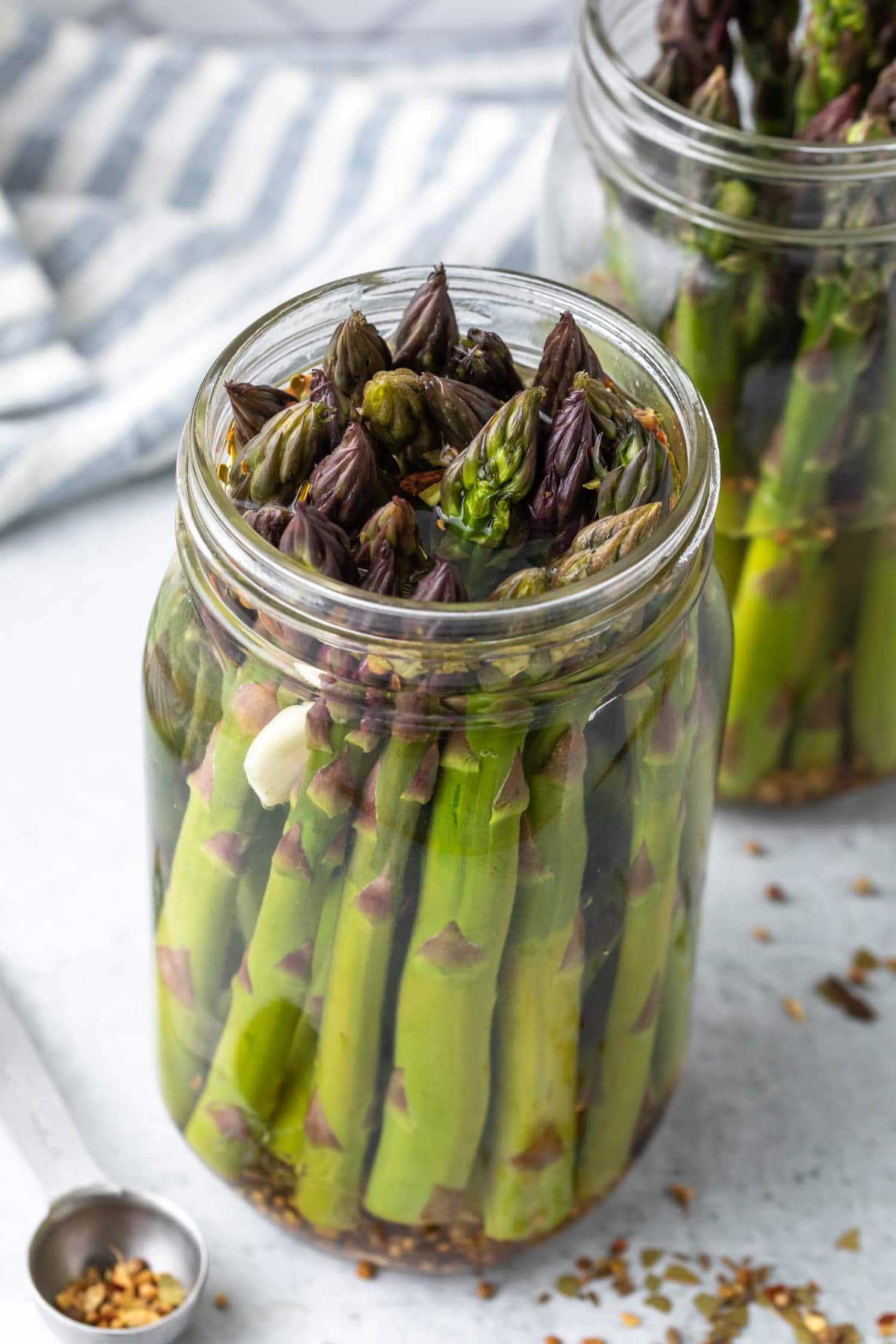
Extend Asparagus Season with Tangy Quick Pickled Spears
Asparagus season is a fleeting joy, gracing our tables with its vibrant green spears for a precious few weeks each spring. While we cherish every bite of fresh, roasted, or steamed asparagus, the desire to prolong this delicious experience is universal. Enter the culinary hero that makes this possible:
quick pickled asparagus. This ingenious method allows you to capture the crispness and unique flavor of asparagus, transforming it into a tangy, versatile treat that extends its shelf life and adds a pop of brightness to countless dishes. Best of all, it's incredibly simple, requiring no complex canning equipment or techniques – just a few basic ingredients and a refrigerator.
Imagine enjoying those delightful spears long after the last harvest has passed, their vibrant green hue preserved, and their flavor enhanced by a zesty brine. From elevating a simple snack tray to garnishing a sophisticated cocktail, these homemade refrigerator pickles are a testament to how easy it is to preserve the best of seasonal produce with minimal effort and maximum reward.
Why Embrace Quick Pickled Asparagus? The Benefits of Refrigerator Pickling
The allure of
quick pickled asparagus lies in its compelling combination of ease, versatility, and sheer deliciousness. If you’ve ever been intimidated by traditional canning, fear not. Refrigerator pickling, as the name suggests, bypasses the need for elaborate sterilization and water baths, making it a fantastic entry point into the world of food preservation.
*
Effortless Preservation: The primary appeal is its simplicity. Unlike traditional canning, which requires precise sterilization and processing to create a shelf-stable product, refrigerator pickles are stored, as you might guess, in the fridge. This means a quicker prep time and a much lower barrier to entry for home cooks. You’re essentially creating a vibrant, tangy condiment that will last for several weeks.
*
Unmatched Crispiness: One of the hallmarks of excellent pickled asparagus is its satisfying crunch. With smart techniques, such as an ice bath rather than blanching, you can achieve spears that remain wonderfully crisp, offering a delightful textural contrast wherever they’re served.
*
Flavor Deepening Over Time: While delicious immediately after cooling, the true magic of
quick pickled asparagus unfolds over a few days. The flavors of the brine—vinegar, salt, and spices—slowly infuse into the asparagus, deepening its tangy, savory profile and creating a more complex taste experience.
*
Culinary Versatility: These tangy spears are far more than just a snack. They are a secret weapon in the kitchen, capable of transforming ordinary meals into extraordinary ones. Think beyond the pickle jar; consider them a gourmet ingredient ready to enhance appetizers, main courses, and even beverages.
*
Sustainable & Economical: Making your own pickles is an excellent way to make the most of abundant seasonal produce, reducing food waste and saving money compared to store-bought options. When asparagus is at its peak and most affordable, pickling allows you to capture that freshness for weeks to come.
The Simple Science of Perfect Quick Pickled Asparagus
Crafting the perfect batch of
quick pickled asparagus is less about following rigid rules and more about understanding a few key principles that ensure crispness, flavor, and safety. This "no canning" method relies on the acidic environment of the brine, combined with refrigeration, to inhibit bacterial growth and preserve the vegetables.
Selecting Your Asparagus
The foundation of any great pickle is quality produce. Look for fresh, firm asparagus spears with tightly closed tips. While both green and white asparagus can be used, green tends to be more readily available and offers a beautiful visual pop in the jar. When it comes to thickness, medium to thinner spears are often preferred for pickling as they absorb the brine more quickly and remain tender-crisp without needing blanching. A typical grocery store bundle, usually one pound, is an ideal quantity for a few pint jars.
Before pickling, proper trimming is essential. The easiest method is to simply snap the woody ends off. Hold a spear with one hand near the tip and the other near the base, then gently bend. It will naturally break at the point where the tough, fibrous end meets the tender stalk, ensuring every piece in your jar is edible and delicious.
Achieving Optimal Crispiness: The Ice Bath Advantage
One of the most crucial tips for achieving truly crispy
quick pickled asparagus is to skip the blanching and opt for an ice bath instead. Blanching, while common for some vegetables, can sometimes soften asparagus too much, leading to a less satisfying crunch in the final pickle.
Instead, after trimming your asparagus, submerge the spears in a bowl of ice water for 15-30 minutes. This thermal shock helps to firm up the cell walls, ensuring your pickles emerge with an incredibly satisfying snap. It’s a simple step that makes a significant difference in texture.
Brine Essentials: Vinegar, Water, and Salt
The brine is the heart of your quick pickles, responsible for both flavor and preservation.
*
Vinegar: Distilled white vinegar is a classic choice for its clean, sharp acidity, allowing other flavors to shine. Apple cider vinegar offers a slightly fruitier, milder tang that can add complexity. For a different profile, rice vinegar could also be explored, offering a lighter, subtly sweeter acidity, especially if aiming for an Asian-inspired pickle. Always use vinegar with at least 5% acidity for safe pickling.
*
Water: Water balances the intensity of the vinegar, creating a palatable brine. The ratio of vinegar to water can be adjusted slightly to personal preference, but a common starting point is a 1:1 ratio.
*
Salt: Salt not only seasons the pickles but also contributes to their crispness by drawing out moisture.
Pickling salt is ideal because it's pure sodium chloride, free of anti-caking agents and iodine that can make brines cloudy or discolor vegetables. If pickling salt isn't available, non-iodized kosher salt is an excellent substitute. Avoid iodized table salt.
Mastering the Art: Step-by-Step Guide and Pro Tips
Ready to make your own batch of irresistible
quick pickled asparagus? Here’s a detailed guide to ensure success. For a comprehensive, step-by-step recipe, be sure to check out our related article:
Easy Quick Pickled Asparagus: Crispy & Fail-Proof No-Canning.
What You'll Need:
* 1 pound fresh asparagus (medium to thin spears preferred)
* 1 cup distilled white vinegar (or apple cider vinegar)
* 1 cup water
* 1 tablespoon pickling salt (or non-iodized kosher salt)
* Optional flavorings: garlic cloves, fresh dill sprigs, mustard seeds, coriander seeds, black peppercorns, bay leaves, red pepper flakes, pickling spice mix
* Pint-sized or taller asparagus jars with fitted lids
Instructions:
- Prepare Asparagus: Wash the asparagus thoroughly. Snap off the woody ends. For uniform size, you can gently measure them against your jars and trim any that are too long to fit comfortably, leaving about a half-inch of headspace.
- Ice Bath for Crispness: Submerge the trimmed asparagus spears in a bowl of ice water for 15-30 minutes. While they soak, prepare your brine and jars.
- Prepare Jars: Wash your pint or taller asparagus jars and lids with hot soapy water. There's no need for sterilization for refrigerator pickles, but clean jars are essential.
- Add Flavorings: To each clean jar, add your desired seasonings. A popular combination includes 1-2 peeled garlic cloves, a few sprigs of fresh dill, and about ½ teaspoon of mixed pickling spices (or individual spices like mustard seeds and peppercorns).
- Pack Asparagus: Tightly pack the chilled asparagus spears vertically into the prepared jars. Try to get as many as possible without crushing them.
- Make the Brine: In a non-reactive saucepan, combine the vinegar, water, and salt. Bring the mixture to a rolling boil over medium-high heat, stirring until the salt is fully dissolved.
- Pour Brine: Carefully pour the hot brine over the asparagus spears in each jar, ensuring they are fully submerged. Leave about ¼ to ½ inch of headspace at the top of the jar.
- Seal and Cool: Tap the jars gently on the counter to release any trapped air bubbles. Place the lids on the jars and allow them to cool completely at room temperature.
- Refrigerate: Once cooled, transfer the jars to the refrigerator. Your quick pickled asparagus will be ready to enjoy in as little as 24 hours, but the flavors will deepen and develop beautifully after 2-3 days.
Pro Tips for the Best Results:
- Experiment with Flavor: Don't be afraid to customize your spice blend. Try a touch of red pepper flakes for heat, a slice of lemon for brightness, or even a sprig of fresh thyme.
- Choose the Right Jars: While standard pint jars work well, taller "asparagus jars" are available and can prevent you from needing to trim too much length off your spears.
- Storage is Key: Store your quick pickled asparagus in the refrigerator and consume them within 3-4 weeks for optimal flavor and crispness.
- Don't Rush It (Too Much): While technically edible after a day, a little patience goes a long way. Waiting 2-3 days allows the asparagus to fully absorb the brine's fantastic flavors.
Beyond the Jar: Creative Culinary Uses for Quick Pickled Asparagus
Once you’ve mastered the art of making
quick pickled asparagus, the real fun begins: incorporating them into your culinary repertoire. Their bright, tangy, and savory profile makes them an incredibly versatile ingredient, moving far beyond a simple side dish. For more innovative serving ideas, explore our article:
Beyond Salad: Creative Ways to Use Quick Pickled Asparagus.
Here are just a few ways to enjoy your delicious homemade pickles:
*
Charcuterie and Cheese Boards: This is a classic pairing. The acidity of the pickled asparagus cuts through the richness of cheeses and cured meats, providing a refreshing contrast. Arrange them artfully on your next platter.
*
Garnish for Cocktails: Forget boring olives! A spear or two of pickled asparagus makes an elegant and flavorful garnish for Bloody Marys, martinis, or other savory cocktails.
*
Salad Enhancer: Chop them up and toss them into green salads, pasta salads, or potato salads for an unexpected burst of flavor and crunch. They pair beautifully with creamy dressings.
*
Sandwich and Wrap Filler: Add a zesty kick to your sandwiches, wraps, or even hot dogs and burgers. Their vibrant flavor can elevate even the simplest lunch.
*
Appetizer Relish: Serve them alongside other pickled vegetables as part of an appetizer spread. They’re fantastic with pâté or smoked fish.
*
Side Dish with Meals: Perfect alongside grilled meats, roasted chicken, or flaky fish. Their tanginess brightens any savory dish.
*
In Grain Bowls: Chop and add to quinoa, farro, or rice bowls with other vegetables and proteins for a wholesome, flavorful meal.
Conclusion
Extending the fleeting joy of asparagus season has never been easier or more delicious thanks to the magic of
quick pickled asparagus. This straightforward, no-canning method allows you to transform fresh spears into tangy, crispy delights that brighten up any dish and satisfy your cravings long after spring has passed. With minimal effort and a few basic ingredients, you can create a versatile culinary asset that promises to add a burst of vibrant flavor to charcuterie boards, salads, sandwiches, and cocktails alike. So, next time you spot fresh asparagus, grab an extra bundle. Embrace the simplicity of refrigerator pickling and unlock a world of extended flavor and endless culinary possibilities in your own kitchen.